
Costume and production design form the backbone of visual storytelling in film, television, and theater. While audiences often focus on actors or plot, the environments and attire crafted by designers set the tone, mood, and historical context. Production designers create sets that reflect narrative themes and character experiences, considering everything from color palettes to spatial layouts. Similarly, costume designers select fabrics, textures, and styles that reveal personality, status, or emotional state. Together, these disciplines translate abstract ideas into tangible visuals, establishing a cohesive aesthetic that immerses viewers in the story world.
Research and Conceptual Development
 Before any physical construction or sewing begins, extensive research underpins design decisions. Designers study historical periods, cultural references, architectural styles, and geographic influences to ensure authenticity and accuracy. Concept sketches, mood boards, and prototypes allow teams to explore visual possibilities and align on a creative vision. This preparatory work demands both analytical and imaginative skills, as designers must interpret scripts, anticipate audience perception, and balance artistic intent with practical constraints. The depth of research often goes unnoticed by viewers, yet it is essential in creating believable, immersive environments.
Collaboration Across Departments
Costume and production design are highly collaborative processes that require coordination with directors, cinematographers, lighting teams, and actors. Production designers must ensure sets accommodate camera angles, movement, and technical equipment, while costume designers consider how attire interacts with lighting and set color. Adjustments are frequent, requiring ongoing communication to maintain consistency and visual coherence. This collaboration ensures that all design elements serve the narrative and enhance performance, demonstrating that successful design is as much about teamwork as it is about individual creativity.
Technical Execution and Problem Solving

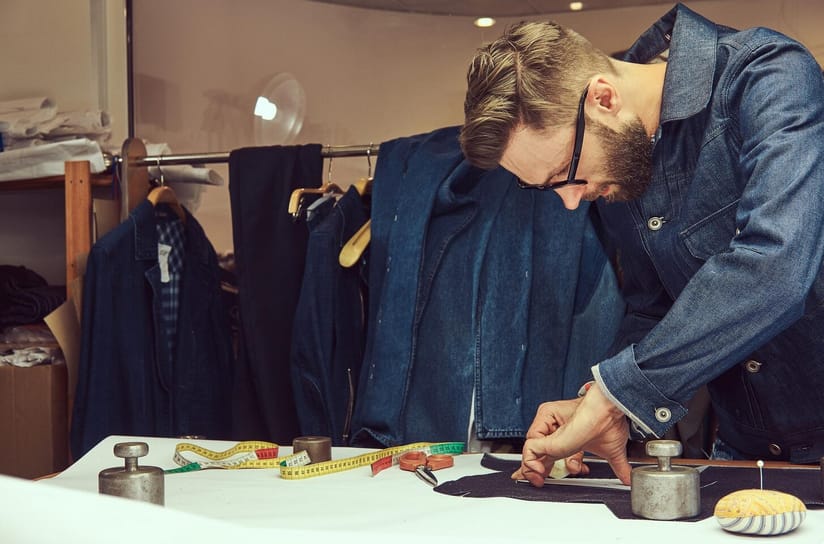
Bringing design concepts to life involves significant technical expertise and problem-solving. Set construction requires knowledge of materials, structural stability, and safety regulations, while costume creation demands skill in pattern making, tailoring, and material sourcing. Designers often face challenges such as budget limitations, time constraints, or environmental factors that necessitate creative solutions. These technical and logistical considerations are largely invisible to audiences, yet they are critical in ensuring that the final visual elements function seamlessly within the production.
Enhancing Emotional and Narrative Impact
The ultimate purpose of costume and production design is to support storytelling by evoking emotion and reinforcing narrative context. A carefully designed set can subtly communicate tension, isolation, or grandeur, while costumes can signal character development, social status, or psychological shifts. When executed effectively, these design elements work in concert with performance and cinematography to create a layered, immersive experience. The visual language established by designers enhances audience understanding and emotional engagement, often in ways that are intuitive rather than consciously recognized.
Costume and production design represent a complex interplay of research, collaboration, technical skill, and creative vision. Their work provides the visual foundation that supports narrative, emotion, and atmosphere, yet much of the effort remains hidden from audiences. By translating story elements into tangible environments and attire, designers elevate the overall production, creating worlds that feel authentic and immersive. Understanding the hidden labor behind these disciplines highlights their critical role in shaping the audience experience and in the artistry of bringing stories to life.